
Economic Thinking Posts on Debate Topics
The first long-term nutrition test in Guatemala was the INCAP Longitudinal Study, conducted from 1969 to 1977 by the Institute of Nutrition of Central America and Panama (INCAP). It was a randomized trial that provided a...
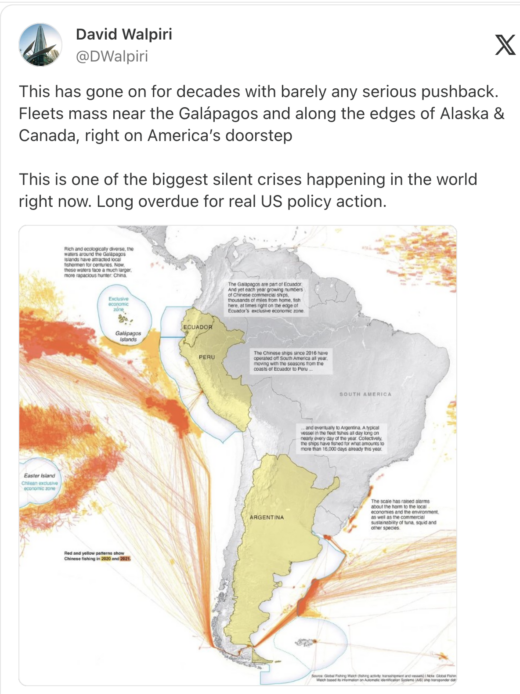
An earlier post, U.S. Foreign Policy and Economic Freedom for Central and South America discussed the history of U.S. military interventions in Central America. I’m researching a separate post on nutritional support programs in...
NCFCA topic: Resolved: The United States Federal Government should significantly reform Congress. NCFCA provides a Policy Resolution Background Paper (pdf) as a guide for debating the resolution. The background paper presents “Limiters” recommending affirmatives...
The National Speech and Debate Association lists current LD, Public Forum, and Policy topics. Below are notes on the November-December Lincoln-Douglas Debate: Resolved: The United States ought to rewild substantial tracts of land. Many...
The National Speech and Debate Association policy resolution for 2025-26 is: The United States federal government should significantly increase its exploration and/or development of the Arctic (NSDA topics page) Debate students and coaches are...
Though most guest workers for US agriculture travel from Mexico, thousands come from Central and South America. The WSJ Op-Ed, Red Tape Is the Biggest Crop on Some Farms (Aug. 28, 2015) reports: The...
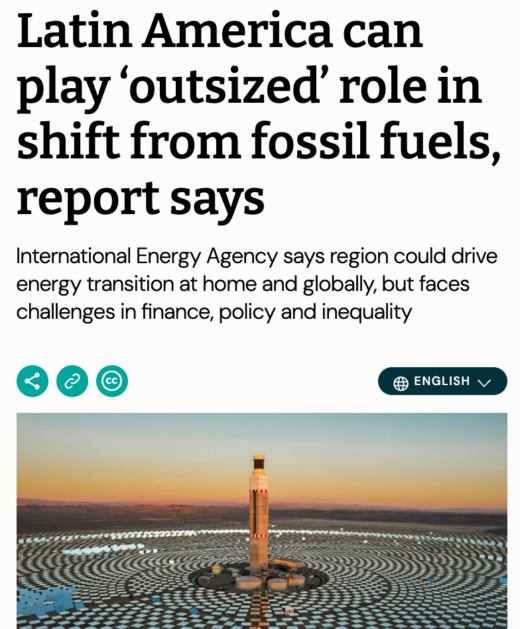
Last post looked at USFG policies pushing alternative and usually more expensive energy sources in South America. A USFG goal is to reduce carbon dioxide and methane emissions from coal, oil, and natural gas...
The NCFCA debate topic for 2025-26 is: Resolved: The United States Federal Government should significantly reform Congress. NCFCA provides a Policy Resolution Background Paper here. For the NCFCA national tournament, this flyer discussed relevant...
America’s youth in search of high school debate material discover at FEE a mine of libertarian information not generally available elsewhere. [When I joined the Foundation for Economic Education (in 1984, 1999, and 2007)...
Going forward, it is hard to know which energy technologies will be best able to meet the needs of people and businesses in Central and South America. I’ve long called this the energy race...