Ranching and fisheries entrepreneurs and enterprises are transforming land and sea across Europe and the Americas. Agriculture as well is being transformed from the bottom up, from deep underground where the microbes (the rhizome) live. A new generation of ranching and farming entrepreneurs increase yields by drawing from microbial nutrients, reducing fertilizer and pesticide use. Plus the ground stays cooler (converting more solar energy to plant growth). These lands absorb more water (reducing runoff and flooding), and sequester more carbon dioxide (plants roots exude carbohydrates to feed soil microbes). All good environmental news and profitable too.
For the new generation of market-based regenerative farmers and ranchers, higher yields with lower costs translate to more profits available to invest further in soil health and nutrient-dense food.
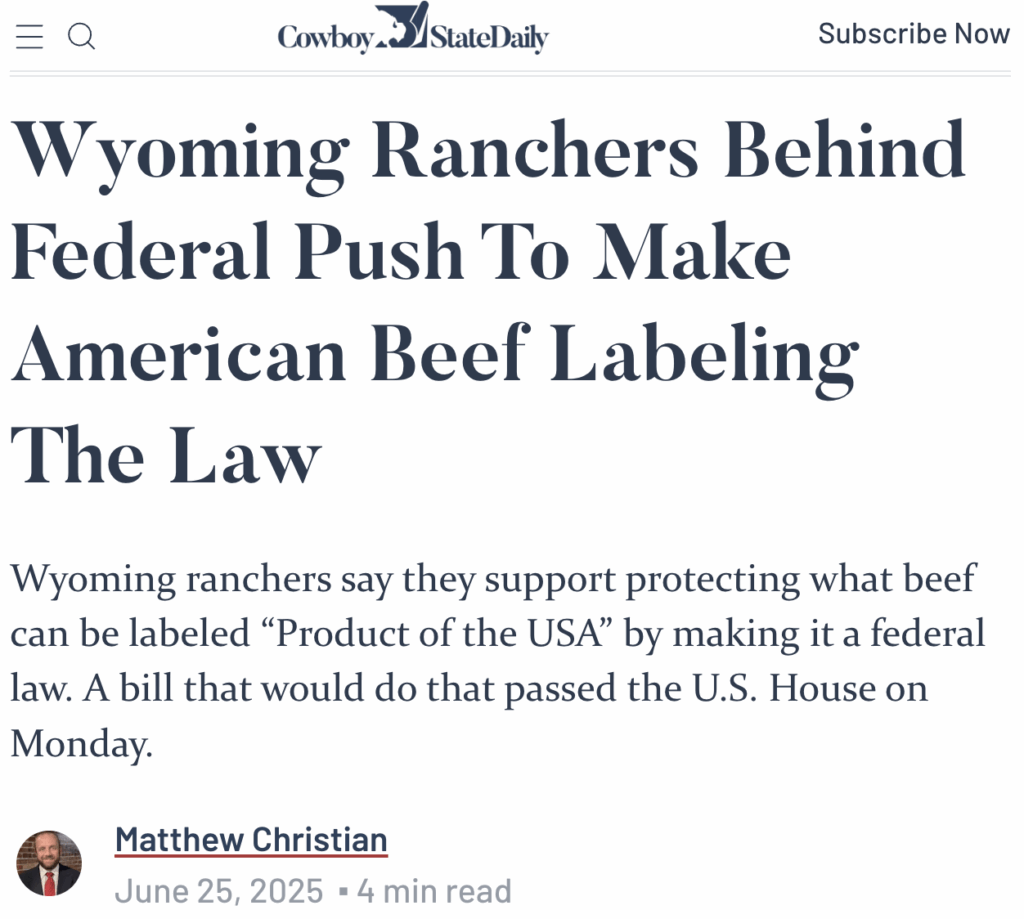
However wonderful Uruguay’s grass-fed beef, US law allows it to be labeled “Product of the USA.” Thanks to lobbying from major US slaughterhouses, meat “processed” here can be labeled a product of here. This puts grass-fed beef raised in the US at a disadvantage since land and labor are higher than in Uruguay. If Uruguay beef is so great (it is!), why not label it accurately?
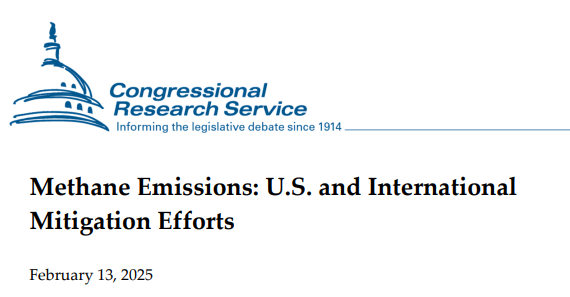
A Global Methane Budget Separately, the USFG, working with international agencies and NGOs, calls for “collective methane reduction efforts” across Central and South American cattle operations. See the February 2025 Congressional Research Service study here (pdf). Google A.I. explains:
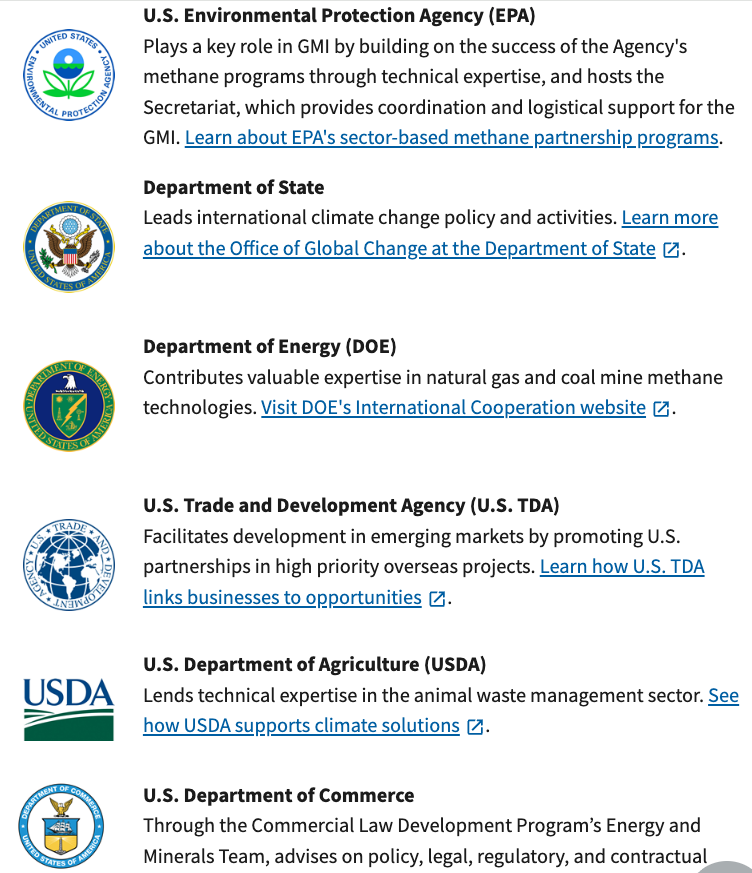
The U.S. Environmental Protection Agency (EPA) and the U.S. Department of Agriculture (USDA) do not have a direct policy specifically aimed at reducing methane emissions solely within South America.
However, both agencies participate in international initiatives that address global methane emissions, including those that impact South American countries. One example is the Global Methane Initiative (GMI).
The United States government (USFG) actively promotes methane reduction in South America through a combination of international initiatives, bilateral agreements, technical assistance, and capacity-building efforts.
Similar to USFG programs to reduce carbon dioxide (CO2) emissions across Central and South America, programs to reduce methane emissions raise costs for businesses and consumers. The standard of living (average income) is far lower in Central and South America so outside programs and pressures that raise costs have larger impacts on everyday people (especially low income families).
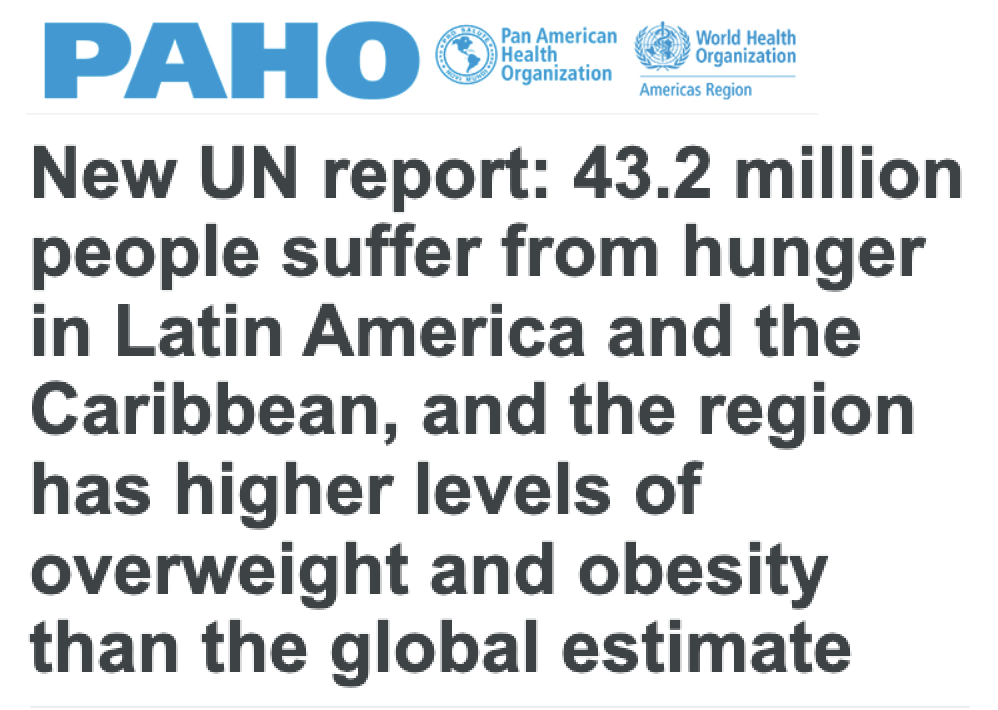
In South America, more than a third (36.4%) of the population suffered moderate or severe food insecurity. In Mesoamerica, the prevalence of moderate or severe food insecurity reached 34.5 % in 2022, which represented an increase of 0.4 percentage points, or 1.3 million additional people, compared to 2021. In the Caribbean, meanwhile, during 2022, 60.6 % of the population experienced moderate or severe food insecurity.
Increasing ranching yields can lower costs Regenerative ranching in the U.S. is expanding, but faces resistance from large established cattle operations, with their feedlots, slaughterhouses, and lobbyists. Traditions, past investments, established venders, as well as state and federal regulations make it harder for smaller regenerative ranchers to market their products (which they claim are higher quality).
William Easterly explains the dynamics of failed foreign aid by contrasting the motivations and local knowledge of the searchers vs. the top-down planners. In dozens of video clips with soil carbon cowboys, modern ranchers explain how they gradually learned to improve their yields, profits, and soil quality by running denser herds of cattle, trying to match the natural patterns of ruminants (mostly bison in the U.S.) moving across prairies. Regenerative ranching is bottom-up searching by smaller entrepreneurs and enterprises. Both in the U.S. and Central/South America.
Cattle graze for just a few hours in each small field, then move on to to the next (with innovative easy-to-move electric fences). See this Herd Impact video for details. Cattle don’t return to the same field sometimes for eighty days. By then the diverse plants have recovered and grown tall. But that’s only half the story. The other half is underground, where deep roots thrive with trillions of microbes, the rhyzome.
The “herd impact” of dense cattle also loosens the soil allowing it to absorb and hold much more water, so less runoff in heavy rains and a longer reservoir to resist droughts. The soil stays softer and cooler, sometimes 15° cooler. When we read about heat waves, storms, and flooding in Texas and other southern states, as well as California, Spain and China, consider that potential for regenerative ranching (and similar regenerative agriculture) to increase absorption during heavy rains. So soils save water as they resist flooding, keep the soil cooler, supporting nutrient-dense ground cover, food for cattle, sheep, goats, pigs, and chicken as well as habitat for birds, bees, and butterflies. And significant sequestration of carbon dioxide (estimates up to 9 tons per acre (3.6 per hectare).