
Central/South America cases I like list…
After judging many Central/South America debate rounds over the last few months, I appreciate the many challenges debaters face advancing meaningful reforms for USFG programs and policies.
Everyday people in Central and South America often lack access to formal legal systems needed to launch, manage, and expand small and medium size enterprises. Securing licenses for new companies, titles to property, and access to international investments for new technologies.
In the past, slow adoption of new technologies accounted for a large share of the divergence in growth between Latin America and advanced economies. Looking ahead, rapid technological advancement will be essential to Latin America’s economic progress, with private capital playing a critical role in financing innovation. (Capital Currents: An Overview of Private Investment in Latin America, Milkin Institute Oct. 7, 2025)
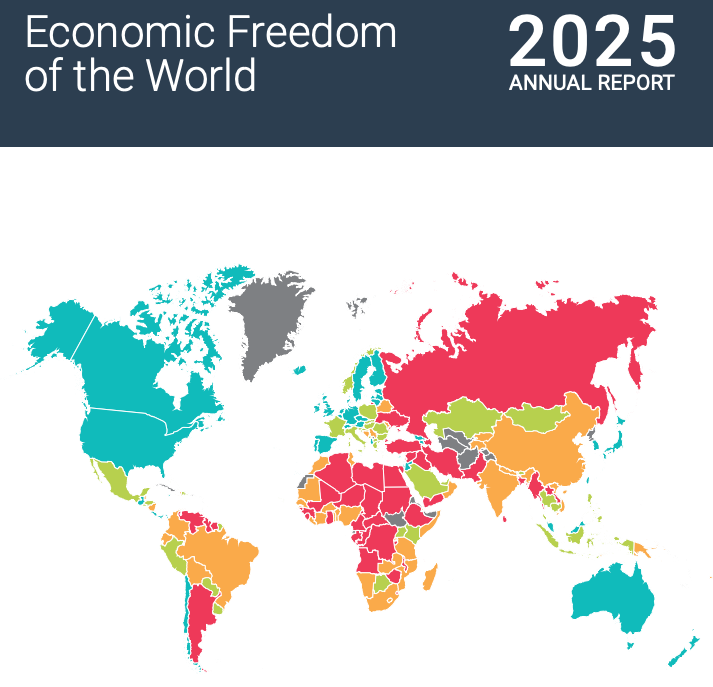
The Economic Freedom of the World: 2025 Annual Report reviews legal institutions and economic policies necessary for freedom and prosperity in Central and South America (and around the world). Economic freedom data helps test the claim that free markets and rule of law correlate with economic growth and better lives for middle- and low-income families.
After identifying causes of poverty and violence, how best might the USFG develop and implement effective reforms? Can the USFG assist countries where governments are skeptical of funding that comes with strings attached (as foreign aid always does). Calling US funds and programs “aid” doesn’t automatically make them helpful.
So… all that said, here are some USFG reforms that I believe could advance economic freedom, many drawing from past Economic Thinking posts.
1. Democracy for Venezuela. How can US assist with transition to democratically elected leaders instead of just supporting current regime? Venezuela’s Leaders Killed the Economy. They Are Still In Charge. (WSJ, 2/22/26)
• Why Propping Up Maduro’s Allies Won’t Save Venezuela (Cato, Jan 29, 2026)
2. Protect Fisheries. Support Central/South America efforts (Peru, Argentina, for example) to protect their fisheries from Chinese DWF (Distant Water Fleet)
• China’s Fishing Offensive: How China’s Fishing Fleet Monopolizes Food Around the World Select Committee on the CCP, Jan. 15, 2026 (has link to report).
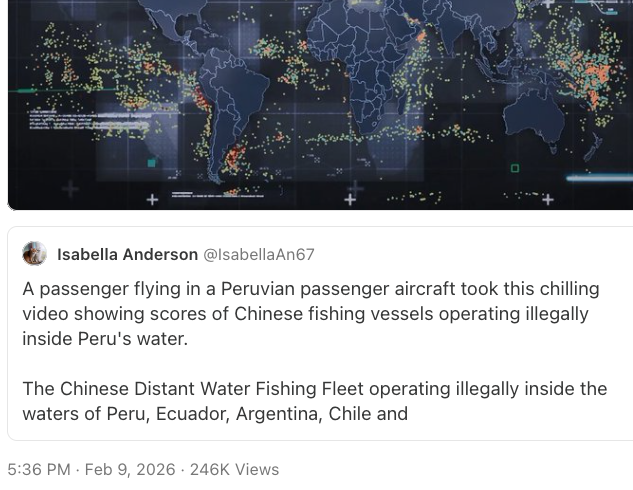
• China is killing the fish (Noahpinion, Feb. 17, 2026)
• US Policy Reform to Protect Central and South American Fisheries (Economic Thinking, Feb. 19 update)
3. Energy: enable access to clean, affordable, reliable energy for Central/South America. Current US policies focus on renewable (wind, solar, ethanol) as part Green Energy/sustainability push.
• Energy from the Arctic, and for Central and South America (EconomicThinking.substack.com, Feb. 10, 2026)
• Ending US Funding of Green Energy in Central and South America [updated] (August 8, 2025)
4. Microfinance/Microlending: Small loans for entrepreneurs and enterprises. How could the USFG support investments in small and medium size enterprises.
• Smart investments in Central and South American Institutions and Enterprises (EconomicThinking, Dec. 29, 2025)
• Microfinance: An Economic Analysis of Banking to the Poor (Samuel Wahlen, 2017 book) Sam is former homeschool debater.
Many NGO and Christian microlending and microfinance programs aid by investing in Central and South American entrepreneurs and enterprises.
• See PovertyCure.org which has 100+ partner organizations in Central and South America
• Also, a related documentary, Poverty, Inc. very critical of foreign aid programs (which are big business).
• One of the three entrepreneurs in the 2026 documentary She Rises Up is Gladys Yupanqui of Peru ). Reduce barriers to enterprise: “Nearly one-third of all countries have laws that stifle a woman’s access to work.”)
5. Reform US public health policies on nutrition. (First 1,000 days programs, promoted by Hillary Clinton and many others).
• Fifty Years of First 1000 Days Nutrition Testing in Guatemala (Economic Thinking, Nov. 25, 2025)
The cooking oils debate! Many claim seed oils are bad for health, yet:
The USDA Foreign Agricultural Service (FAS) tracks and supports oilseed production, particularly soy and palm oil, in Central and South America to meet growing domestic and international demand. (AI Overview). Of course SA produces and exports seed/vegetable oils as well.
6. Support New Cities: ZEDEs and charter cities like Prosperá.
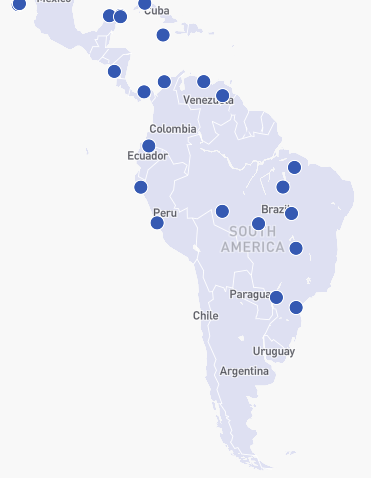
• Are Charter (and Refugee) Cities Just Theoretical? (Economic Thinking, January 22, 2026). At right, from New Cities Map (at link, click dot for details).
7. Reform guest worker programs for Central and South American countries.
• Reduce Red Tape Hurting U.S. Orchards and Farms (EconomicThinking, Oct. 4, 2025)
• Red Card Solution for Central and South America (five year renewable guest worker visas).
— Greg Rehmke, Economic Thinking