
Fifty Years of First 1000 Days Nutrition Testing in Guatemala
The first long-term nutrition test in Guatemala was the INCAP Longitudinal Study, conducted from 1969 to 1977 by the Institute of Nutrition of Central America and Panama (INCAP). It was a randomized trial that provided a high-protein, high-calorie supplement (atole) to pregnant women and children under seven in two villages, and a low-protein, low-calorie supplement (fresco) in two other villages. Follow-up studies have tracked the health, growth, and human capital of the participants for decades. (Google AI Overview)
Foreign aid programs by definition should be helpful. Consider US nutrition aid programs for rural mothers and children in Guatemala. US Agency for International Development (USAID) and other federal agencies have for decades funded nutrition and public health services in Guatemala. This World Bank post, Improving Health and Nutrition for Indigenous Communities in Guatemala (October 21, 2014) notes:
Guatemala has one of the highest rates of chronic malnutrition in the world, with 47 percent of children under five suffering from stunting. Indigenous communities, which make up nearly half of the population, face even greater challenges due to poverty, geographic isolation, and limited access to healthcare.
At a recent Atlas Forum in New York City, a documentary profiled a Philippines program on nutrition in the “first 1,000 days” to reduce childhood stunting : Sa Sikmura ng Nayon (On a Nation’s Stomach)
Could similar programs improve childhood nutrition in Central and South American countries? If so, Stoa league debaters could research and run cases to improve and expand USFG nutrition programs.
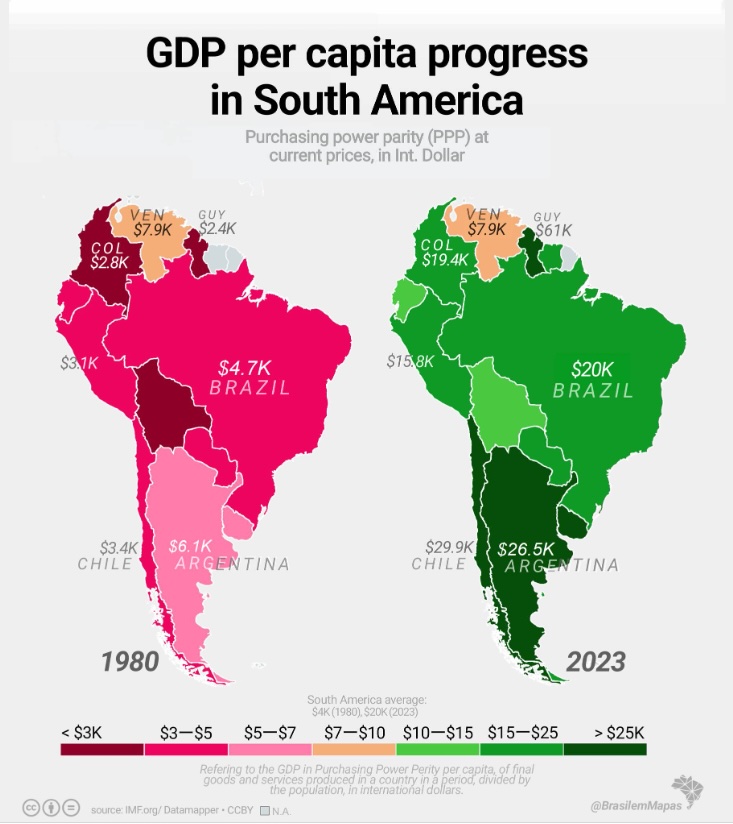
Foreign aid programs are challenging to evaluate. Are aid program successful when health and living standards rise over time? Maybe, but often health and living standards similarly improve in villages without nutrition aid programs. Income per person went way up across South America (except Venezuela) from 1980 to 2023.
Well-intended assistance programs often yield unexpected and unhelpful results. Fifty years of “first 1,000 days” nutrition initiatives have been tried in Guatemala, expanding since Hilary Clinton’s promotion 2010:
The challenge of nutrition: which foods are most nutritious?
The science of human nutrition isn’t settled. Leading nutrition experts disagree. Consider how this Nutrition Under Threat press release from UNICEF (October, 2025) describes “essential appropriate, safe, complementary foods” for “maternal, infant and young child nutrition:”
This means prioritizing fruits and vegetables with minimal added salt or sugar; legumes and pulses; tinned oily fish in water; unsalted nuts; wholegrain cereals and starchy foods; and healthy fats such as olive or canola oil. Safe drinking water should be the primary beverage provided. At the same time, it is critical to avoid distributing unhealthy foods, including those high in added sugars, salt, and saturated fats, such as sugary drinks, salty snacks, and ultra-processed products, as these can contribute to poor dietary habits and increase the risk of non-communicable diseases.
Saturated fat is healthy, or unhealthy: nutrition experts disagree. The US Federal Dietary Guidelines pushed to reduce red meat consumption and saturated fat. Early research seems to support the claim that red meat and saturated fat contributed to cardiovascular disease and heart attacks. Nutrition authorities advocated “healthy” vegetable oils (olive and canola oil are recommended above).
Two Normal Nutrition posts and two Goodman Institute Briefs on vegetable oils, saturated fat, and dietary guidelines outline divergent views on metabolic health:
• Sunlight, Salt, and Saturated Fat (Much thought bad is good again)
• Notes on the Seed Oils/Vegetable Oils Debate
• RFK Jr. May Be Right About Something In the ongoing debate over public health and a healthy diet, cooking oils have taken center stage (Goodman Institute, January 15, 2025)
• Did the Government Make Us Fat? (critical of Federal Dietary Guidelines) (Goodman Institute, Feb 24, 2022)
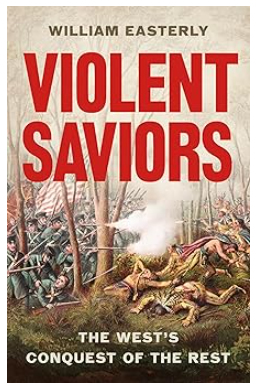
1,000 Days of Terror
Critics of state-funded foreign aid programs caution that “government to government” funding serves to politicize programs. And their top-down nature means projects proceed without adequate local knowledge. Development economist William Easterly contrasts the planners and the searchers. Searchers are local families, entrepreneurs, and enterprises dealing with local challenges (food, shelter, clean water). Planners have their pre-conceived aid projects already drawn up, and funded by outsiders (governments and NGOs) The 1,000 days launch in Guatemala was worse than anyone could have expected. From Mal-Nutrition by Emily Yates-Doerr (p. 19):
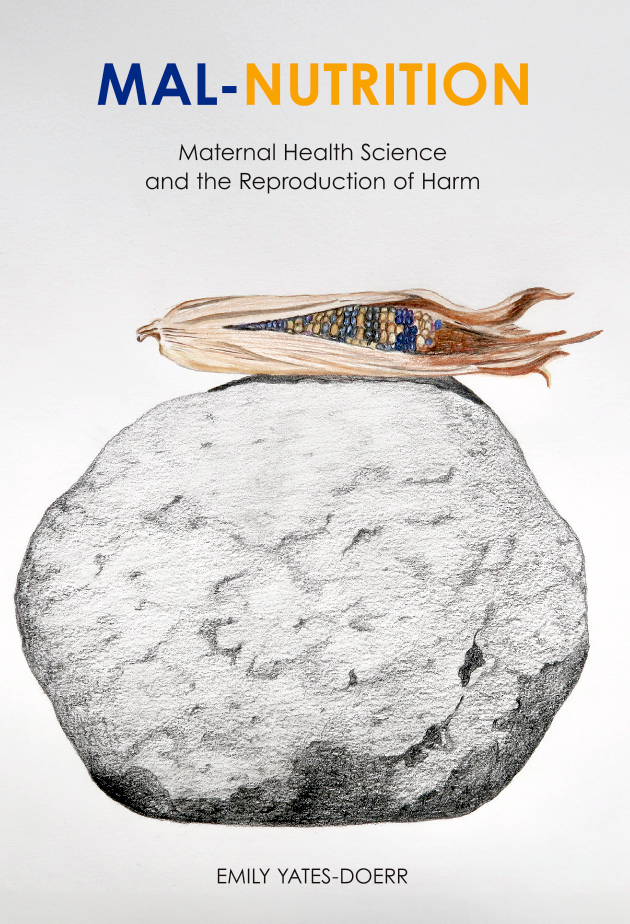
In 2012, the recently elected Guatemalan president, Otto Pérez Molina, and his vice president, Roxana Baldetti, announced their Pacto Hambre Cero, or Zero Hunger Pact (FAO 2012). The pact had become the cornerstone of their social programs, and their signature program for eliminating hunger was a maternal health intervention titled “La Ventana de los Mil Días,” or “The Window of 1,000 Days.”…
As USAID was setting up its interventions, Pérez Molina and Baldetti met with officials from the World Food Programme in the highland city of Totonicapán, a city close to San Juan Ostuncalco. The gathering presented an opportunity to publicize their Window of 1,000 Days agenda for a larger audience. The national census, which had just been released, showed that seven of every ten children in the municipality were dangerously small, and health experts pointed to nutrient deficiencies acquired in utero and infancy as the cause.
Speaking to a crowd of women wearing traditional Maya clothing, Baldetti distributed packages of powdered nutrient supplements called “Mi Comidita”—My Little Food—for babies between six and twenty-four months. She repeated the powder’s motto to the crowd: “With love one grows better.” A footnote to the theatrics was that the funds for this particular nutrient powder came from a $2 million dollar grant from the Canadian government, which was also at the time involved in expanding its controversial hydroelectric dams and nickel mines in Guatemala. Indigenous Guatemalans widely held the dams to be a source of “dirty energy,” and social movements had arisen throughout the country to protest how Guatemalans were being forced to drink polluted water so that transnational corporations could acquire obscene profits (Granovsky-Larsen 2018; Nolin and Russell 2021). None of this was supposed to be evident that day, however.
Instead, the giveaway was intended to showcase the Guatemalan government’s commitment to combating malnutrition and the international community’s support. Not long after the supplement giveaway event, both Pérez Molina and Baldetti were imprisoned in a massive embezzlement scandal, caught stealing large sums of governmental money for their personal gain. They had claimed to care, using “early life nutrition” as evidence they were making things better, but their acts of social improvement would be shown to be a sham. Pérez Molina and Baldetti had explicitly campaigned on a platform that emphasized improving nutrition in early life. Their arrest called their broader agenda into question. For many people in San Juan, the Window of 1,000 Days agenda did not imply betterment but duplicity.
On the eve of Pérez Molina’s arrest, the cultural critic Francisco Goldman (2015) wrote, “Otto Pérez Molina is an embodiment of the role the Army has played in Guatemala in the past half-century. . . . Pérez Molina represented a perfect union of Guatemala’s past terrors and its current model of power.” Goldman is thinking about how Pérez Molina merged the explicit violence of “murder, disappearances, torture, clandestine prisons and graves” with the political violence of corruption and the erosion of democracy. But we can also think about how Pérez Molina mobilized military imagery in his promise to fight hunger, legitimating the spread of the military state into domestic spaces of kitchens and homes. As recently as 2024, a United Nations webpage about Guatemala described Pérez Molina’s cabinet as prioritizing security, economic empowerment, and poverty eradication through antihunger efforts (UN Women). The very same president linked to Indigenous massacre in the 1980s had mobilized nutrition as a show of force.
Decades of Testing Nutrition Programs with or on rural Guatemalans
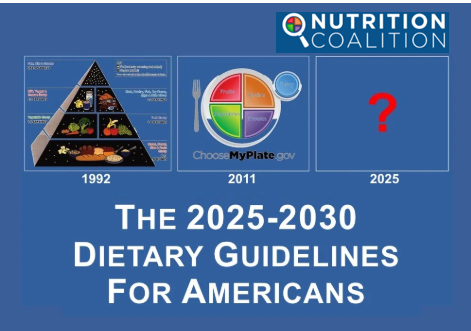
Researching Guatemalan nutrition programs, I was curious what was in nutrition supplements. In the U.S. and in Europe, controversy continues over the U.S. Federal Dietary Guidelines (see research links from NutritionCoalition.us). Meals served in schools, hospitals, prisons, the military, and elder-care homes must follow the Federal Guidelines to receive federal funding. Critics say the guidelines are flawed, and based on outdated and compromised research.
Consider, for example, the very different claims and advice about type 2 diabetes from the American Diabetes Association new American Diabetes Society. The American Diabetes Society says insulin resistance is the cause of type 2, which they say can be reversed (or put into remission) by stable blood sugar levels (which for most means consuming less sugar and carbohydrates):
Reversing type 2 diabetes means reducing blood sugar levels to a normal range without relying on medication. This is achieved by addressing the root cause—insulin resistance—and creating conditions that allow your body to naturally regulate blood sugar.
The American Diabetes Association by contrast says to do what you can but it will get worse and more medications will be required:
After your initial diagnoses of type 2 diabetes, you may notice that it’s harder to reach your diabetes treatment targets even though your medication, exercise routine, diet, or other things you do to manage your diabetes hasn’t changed—and that’s normal. Every so often, your routine to manage your diabetes will likely need to be adjusted. You might start managing your diabetes with diet and exercise alone, but, over time, will have to progress to medication, and further down the line you might need to take a combination of medications, including insulin. (How Type 2 Diabetes Progresses)
Back now to nutritional programs in rural Guatemala (where, by the way: “the estimated overall prevalence of diabetes of 12% in Indigenous Guatemalan communities is higher than the national average.”)…
The Atlantic’s The Science of Designing Food for the World’s Poor (June 2, 2014) reviews some Guatemalan rural nutrition programs then in operation:
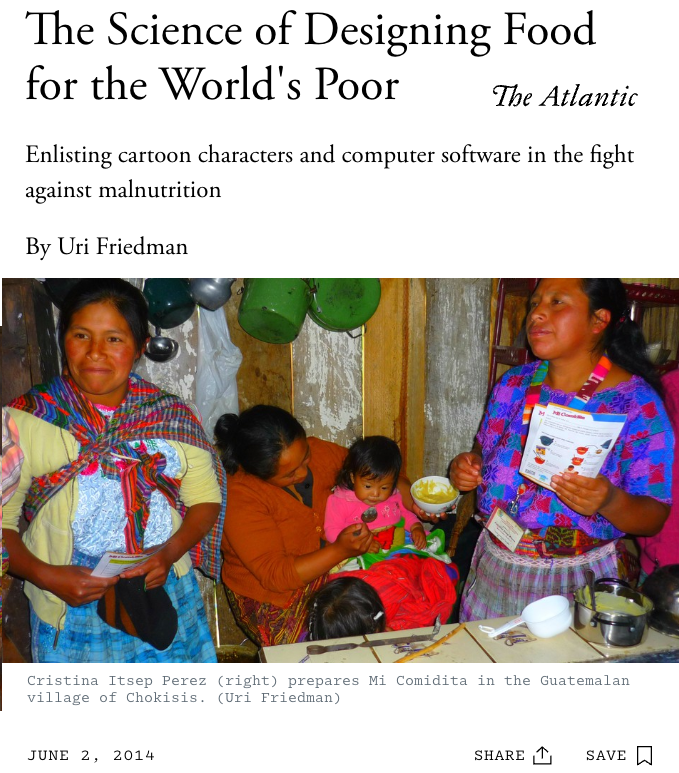
It’s a surprisingly vibrant field. The U.S. Department of Agriculture and Hormel Foods, for instance, have engineered a vitamin-stocked turkey paste called Spammy that comes in a tuna-can-like container with a cartoon turkey on the front, and is served to Guatemalan schoolchildren in the form of chuchitos, dobladas, and tostadas. The U.S. Agency for International Development (USAID) has turned to a computer-software program called Optifood to identify local foods, fortified foods, and micronutrient powders that can fill gaps in Guatemalans’ diets at the lowest possible cost.
As for Mi Comidita, there’s a method to how it made its way from the outskirts of Guatemala City, where the food is manufactured, to Perez’s stove. Each month, the World Food Program and the Guatemalan government distribute two bags of Mi Comidita to each family that visits a local health center, incentivizing parents to get their children check-ups and vaccinations.
In the dawn of rural Guatemala nutrition experiments (1969), researchers were testing which low-fat sugar drink was healthiest:
The proverbial flip of a coin determined that residents of Conacaste and Aldea San Juan received atole, a protein-rich supplement prepared with sugar and skim milk, designed to mimic a traditional and popular corn-based drink. Residents of Espíritu Santo and Santo Domingo received fresco, a sugary fruit-flavored drink with added vitamins and minerals.” (Mal-Nutrition: Maternal Health Science and the Reproduction of Harm, p. 80)
Also, reviewing the INCAP study published in Food and Nutrition Bulletin:
[INCAP ] study of 1969 to 1977 was a community randomized trial in which 2 pairs of matched villages received either a protein-rich gruel (atole) or a nonprotein, low-energy drink (fresco). Both contained equal amounts of micronutrients by volume. …
The study was designed in the late 1960s when the principal deficiency in the diets of poor countries was believed to be protein…. One strategy that the report promoted was one that INCAP had been pursuing for several years: The development of vegetable protein mixes to provide ample amounts of protein with a satisfactory amino acid composition.6 INCAP named its mix Incaparina and soon other versions appeared in Colombia, Mexico and around the world.” History and Design of the INCAP Longitudinal Study (1969-1977) and Its Impact in Early Childhood (Food and Nutrition Bulletin, June 10, 2020)
I wondered if the nutrition kits provided by USAID, and NGOs to rural Guatemalans was similarly high in sugar and vegetable oils (called by critics “seed oils”). Most nutrition drinks for children (listed on Amazon or Walmart websites, for example) are high in sugar or corn syrup and vegetable oils.
Why so sweet? Because constrained by federal low-fat rules they don’t taste good without sugar, just as elementary schools offer low-fat but high-sugar drinks and snacks. The least nutritious supplement is the one children won’t eat or drink.
Land titling and reform in Guatemala
Ideally rural Guatemalans would provide for themselves, with land producing crops, feeding animals, and providing for surpluses to sell in nearby cities in exchange for needed goods and services. Then families could provide for their own nutritional needs, rather than rely on foreign planners and their nutrition programs.
Land reform in rural Peru is presented in the Izzit.org video and lesson plan, Eusebio’s Dream, a segment from The Ultimate Resource documentary. Land titling and reform is a complicated process, but without land titles and private property, incentives are mixed and prosperity less likely.
Land titling and reform in Guatemala
Ideally rural Guatemalans would provide for themselves, with land producing crops, feeding animals, and providing for surpluses to sell in nearby cities in exchange for needed goods and services. Then families could provide for their own nutritional needs, rather than rely on foreign planners and their nutrition programs.
Land reform in rural Peru is presented in the Izzit.org video and lesson plan, Eusebio’s Dream, a segment from The Ultimate Resource documentary. Land titling and reform is a complicated process, but without land titles and private property, incentives are mixed and prosperity less likely.